
Easypanel Review: Pros, Cons and VPS Setup
An unsponsored Easypanel review covering benefits, backup limitations, user reports and pricing trade-offs, plus installation on a HYEHOST VPS.

Practical notes on VPS hosting, app installs, AI agent infrastructure, self-hosted tools, networking and the operational decisions that make servers easier to run.
61 guides showing
An unsponsored Easypanel review covering benefits, backup limitations, user reports and pricing trade-offs, plus installation on a HYEHOST VPS.

Install Syncthing on a VPS with Docker Compose. Secure the web UI, pair devices, configure file versioning and build an always-on file-sync server.

Set up SSH keys on a Linux VPS from Windows, macOS or Linux. Verify key-only login, disable SSH passwords safely and fix Permission denied (publickey) errors.

Fix Linux “No space left on device” errors with disk, inode and Docker checks. Find large files, control logs and recover VPS space without deleting needed data.
Learn why Docker ports can bypass UFW and how to secure them with localhost bindings, private networks, reverse proxies and external IPv4 and IPv6 checks.
Node.js 20 is end-of-life. Move bots and apps to Node.js 24 LTS with dependency checks, Docker examples, staging tests and a practical rollback checklist.
Host a Python Telegram bot 24/7 with BotFather, long polling and secure tokens. Deploy on bot hosting or an Ubuntu VPS, with restart and troubleshooting steps.

Speed up WordPress with practical LiteSpeed Cache settings, image fixes and Core Web Vitals checks. Includes WooCommerce testing and HYEHOST hosting advice.
Install Beszel on a VPS with Docker, HTTPS and secure agents. Monitor Linux servers and containers, configure alerts and back up your monitoring dashboard.

Set up SPF, DKIM and DMARC with practical DNS examples, DirectAdmin checks and a safe rollout. Troubleshoot authentication failures without breaking email.

Move WordPress to a new host with the same domain. Follow our DirectAdmin migration checklist for backups, DNS, SSL, SEO checks and a safe cutover.
Deploy Pterodactyl Panel and Wings with Docker, HTTPS, secure game-server allocations, off-server backups and production hardening.
Build a private DNS filtering server with AdGuard Home, Docker and WireGuard—without exposing an open resolver to the internet.
How HYEHOST built automatic PostgreSQL failover for PowerDNS with Patroni, etcd, synchronous replication and leader-aware writes.
Deploy a private Gitea Git server with Docker Compose, PostgreSQL, HTTPS, SSH cloning, restricted registration and tested off-site backups.
Deploy a private Jellyfin media server with Docker Compose, HTTPS, read-only media mounts, transcoding guidance and tested backups.
Compare Node.js, Python, Java, Bun, Deno and Go for Discord bots, Telegram bots, APIs and automation before choosing a runtime.
Deploy a private Nextcloud server with PostgreSQL, Redis, HTTPS, reliable backups and a production-ready Docker Compose stack.
Connect rclone over SFTP, add client-side encryption, automate reliable transfers and prove that your backups can actually be restored.
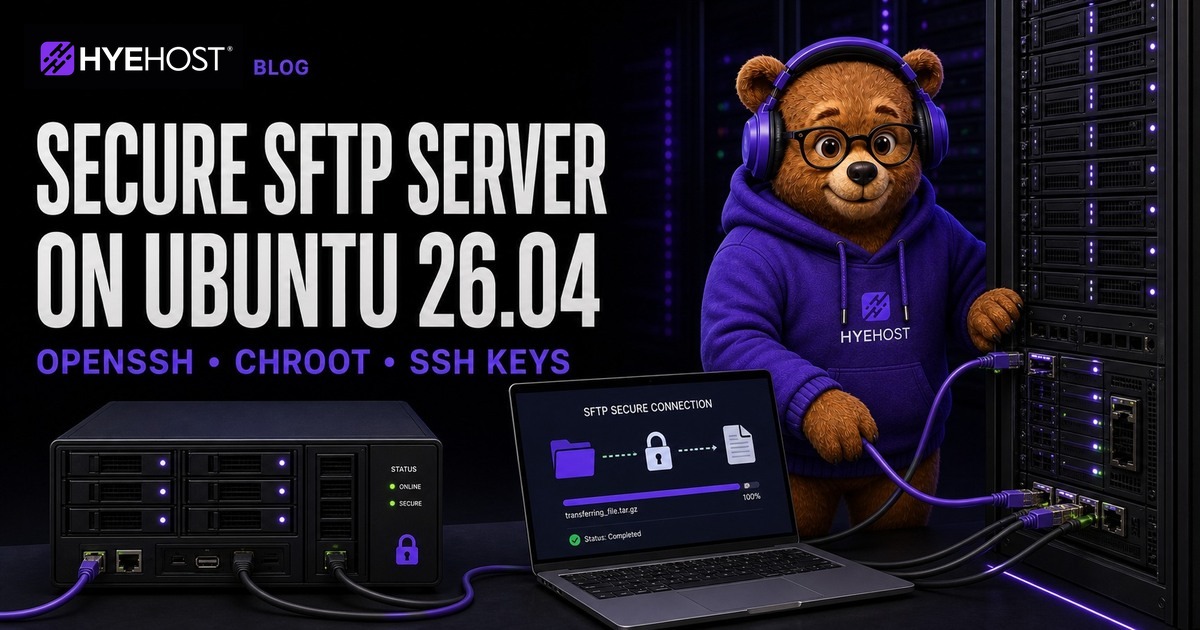
Install OpenSSH SFTP with chrooted users, SSH keys, firewall rules, tested permissions and reliable backups.
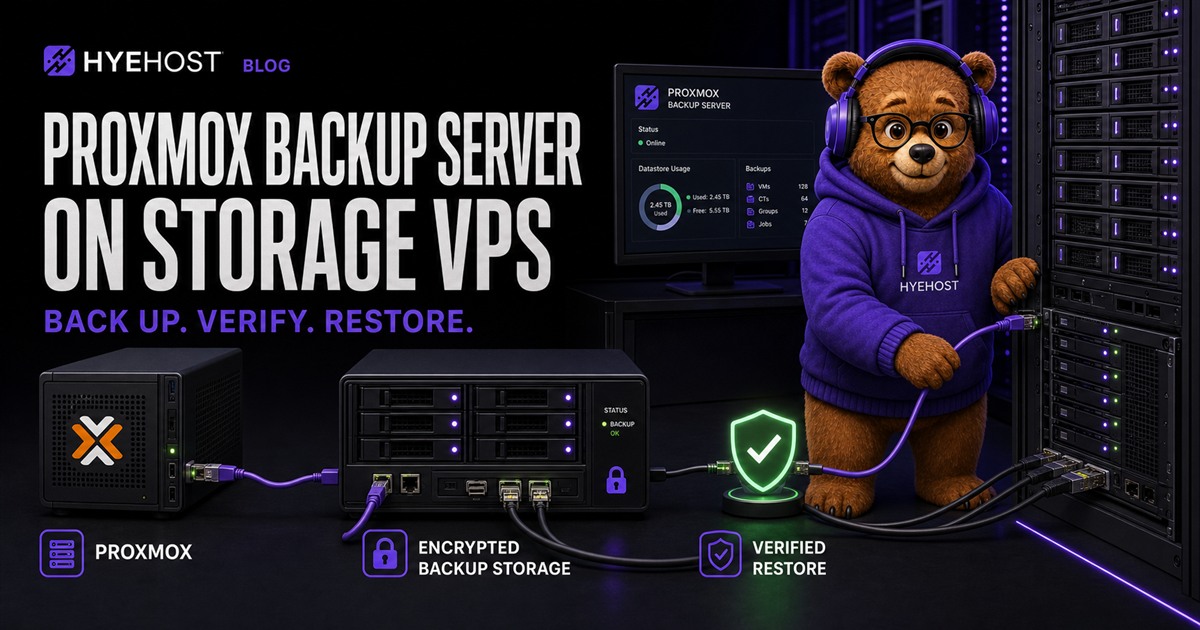
Size, secure and operate a capacity-focused PBS repository with an HDD datastore, SSD boot disk, sensible maintenance windows and tested restores.

How we separated routing and forwarding across two Debian hosts to carry more traffic with clearer failure boundaries and steadier latency under load.

Build an identity-aware tunnel with Docker, WireGuard, Traefik and Newt to reach private applications without opening inbound ports at home.

Build a private searchable document archive with PostgreSQL, Redis, OCR, HTTPS, email import and tested backups.
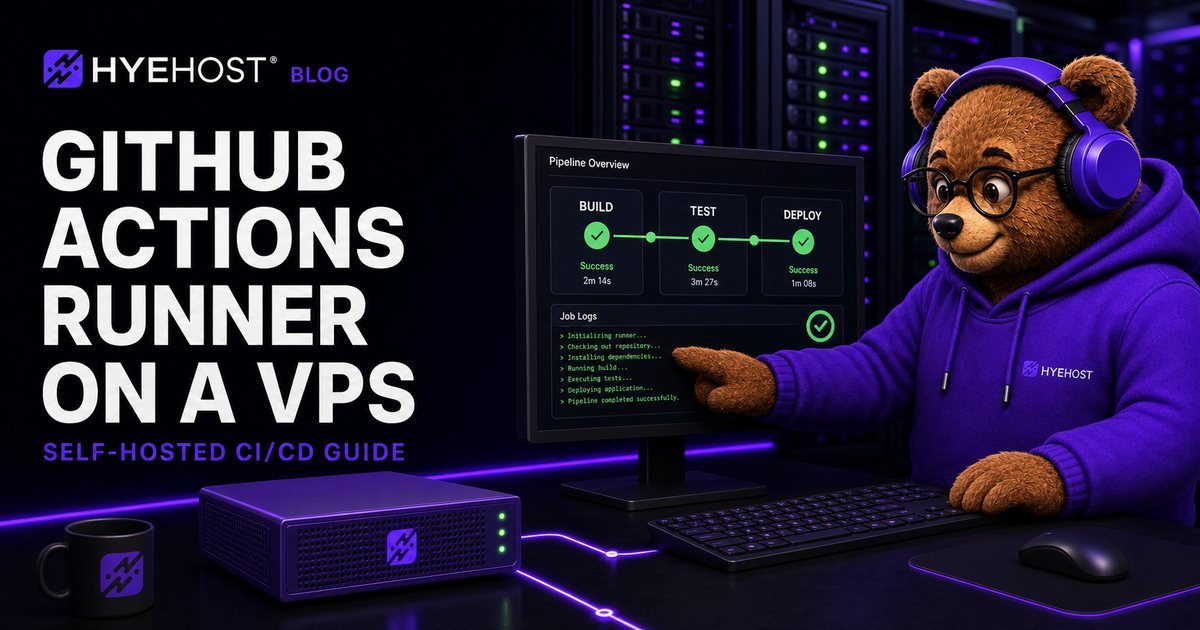
Install a dependable Ubuntu CI runner with systemd, Docker builds, useful labels, controlled access, safe updates and practical troubleshooting.

Deploy independent uptime monitoring with HTTPS, meaningful checks, tested alerts, public status pages and recoverable backups.
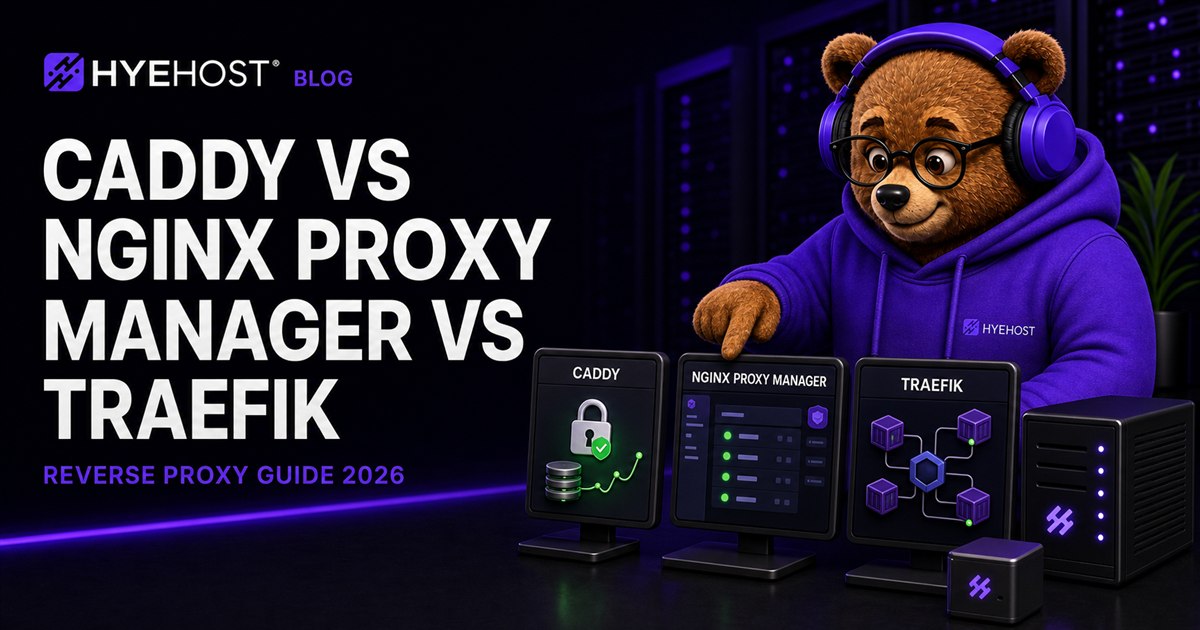
Compare automatic HTTPS, Docker discovery, dashboards, configuration and day-two maintenance before choosing the front door for your VPS.
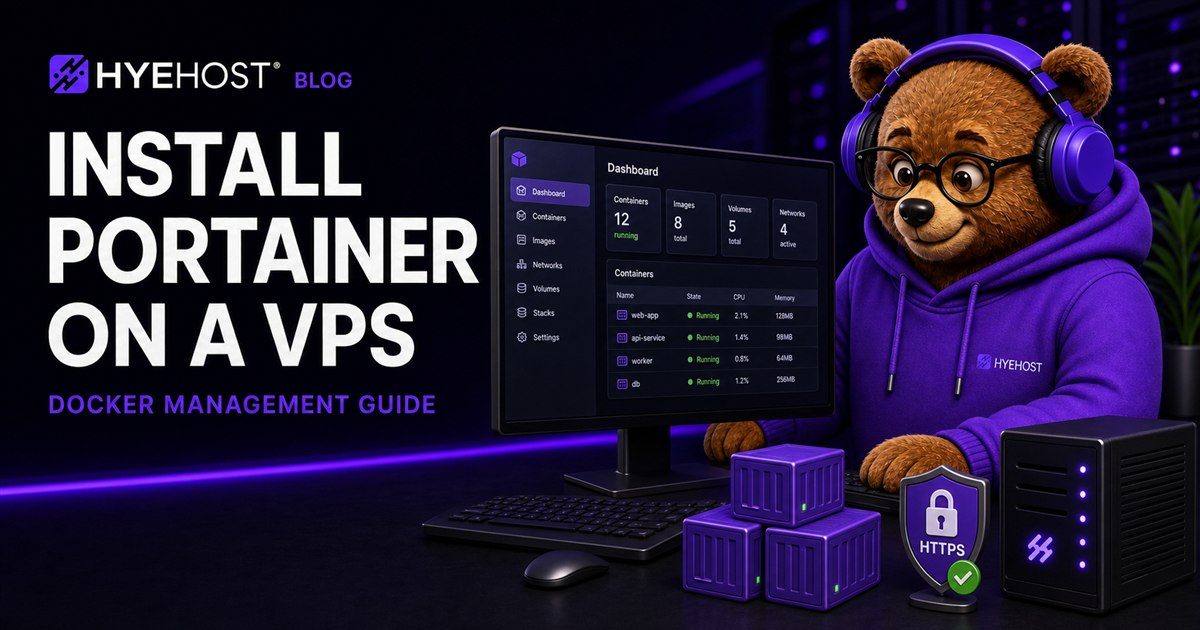
Deploy Portainer CE with Compose, secure its HTTPS interface, avoid the Docker and UFW trap, and build a reliable backup and update routine.
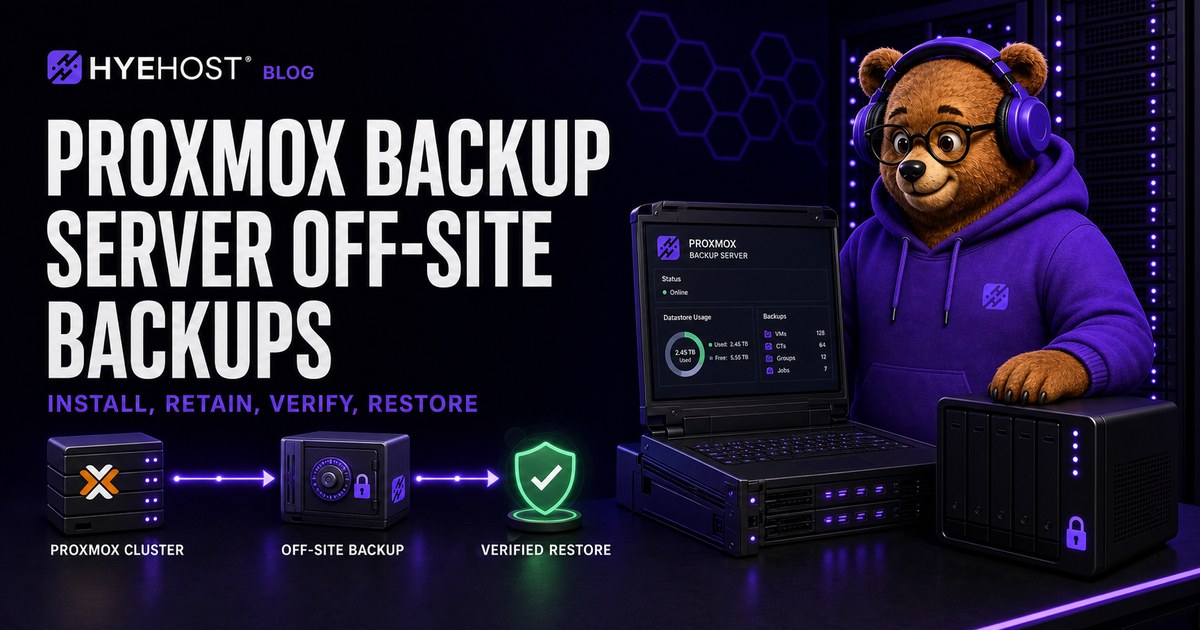
Install PBS 4, build an off-site datastore, connect Proxmox VE, set retention and verification, then prove recovery with a restore test.

Build a private photo and video backup server with HTTPS, correct storage, secure updates and tested database and media backups.
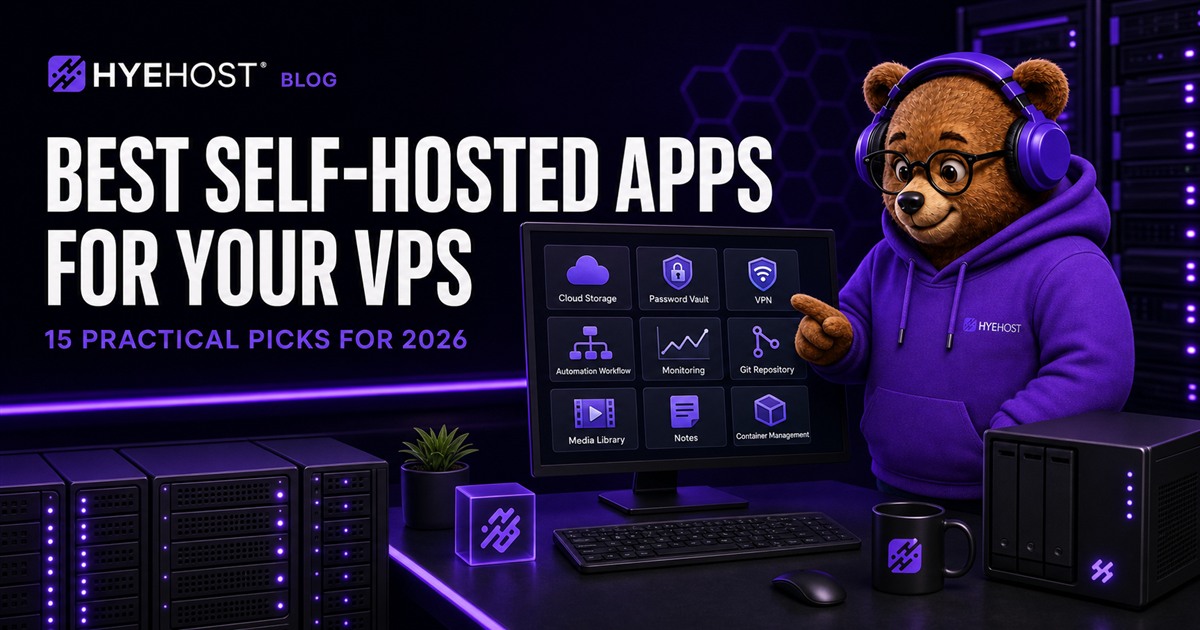
Compare practical apps for cloud storage, passwords, VPN access, automation, monitoring, Git, media and container management.
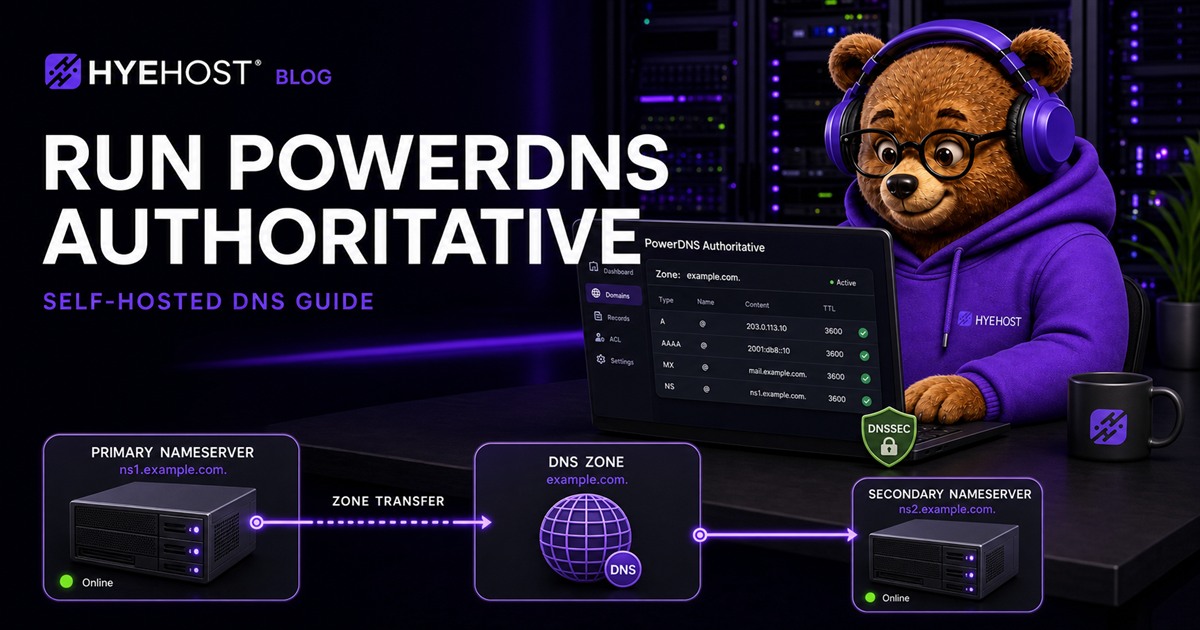
Build resilient authoritative DNS with PostgreSQL, primary-secondary replication, DNSSEC, a protected API, monitoring and tested backups.
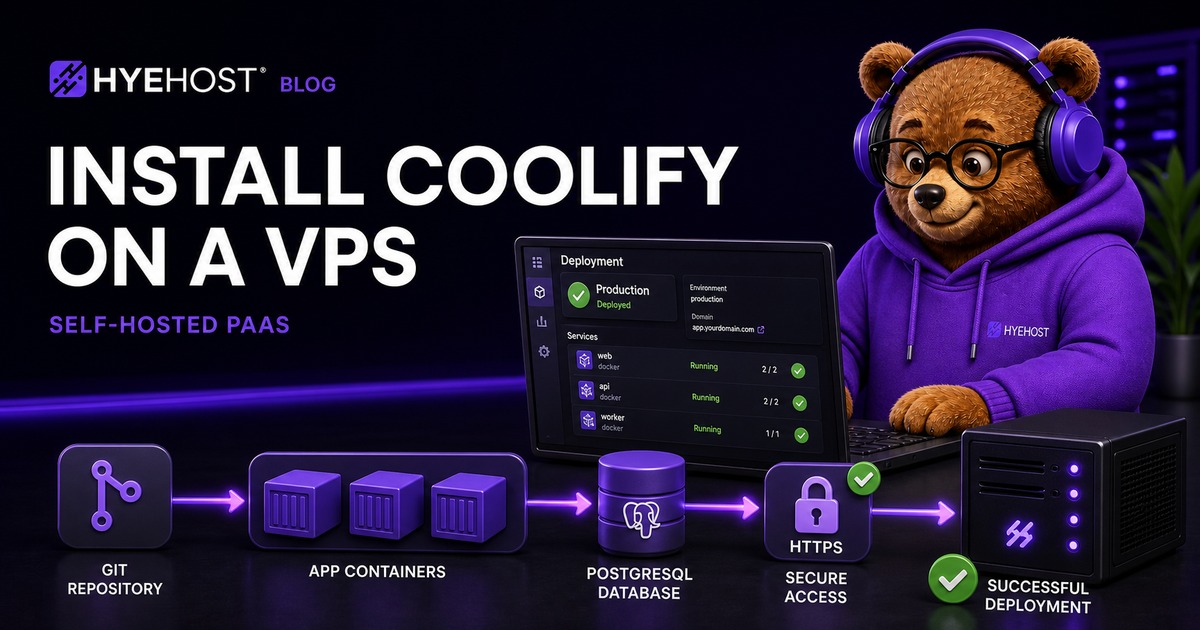
Deploy apps from Git with automatic HTTPS, managed databases, backups and production-minded security on infrastructure you control.
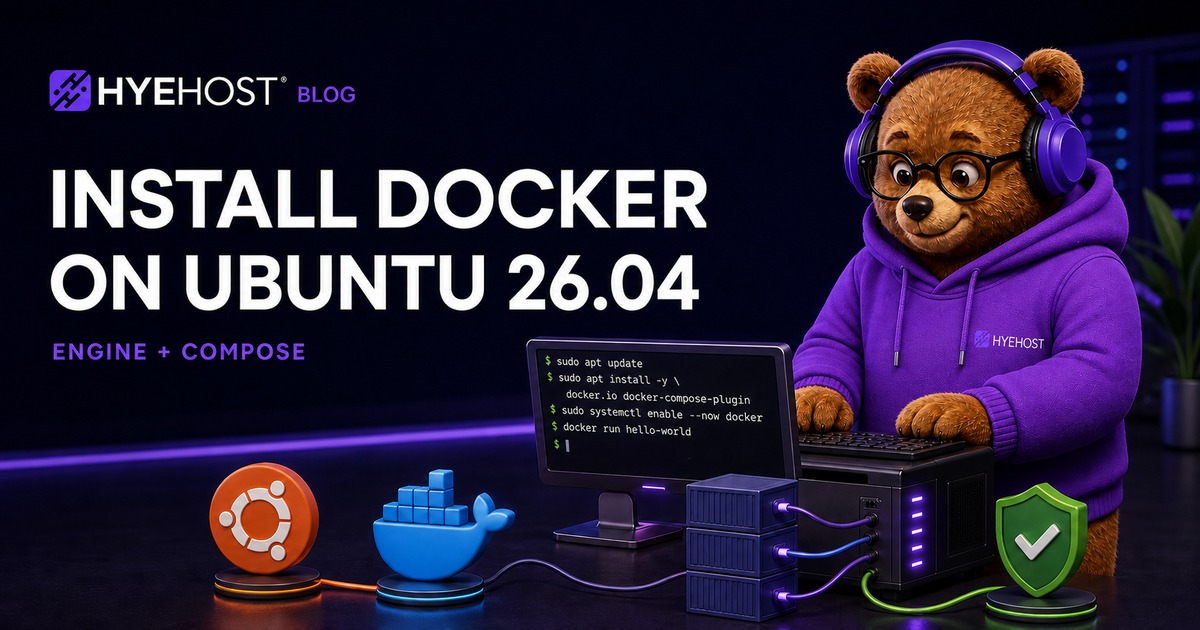
Install Docker Engine, Buildx and Compose from Docker's official repository, then secure, test, update and troubleshoot your server.

Move a discord.js bot into production with protected tokens, automatic restarts, useful logs, safe updates and the right HYEHOST deployment.

Deploy Discord.js or discord.py with managed bot hosting or a VPS, then configure tokens, restarts, logs and monitoring properly.
Compare encrypted open-source backup tools, automate off-server snapshots, protect databases and Docker volumes, and test real restores.
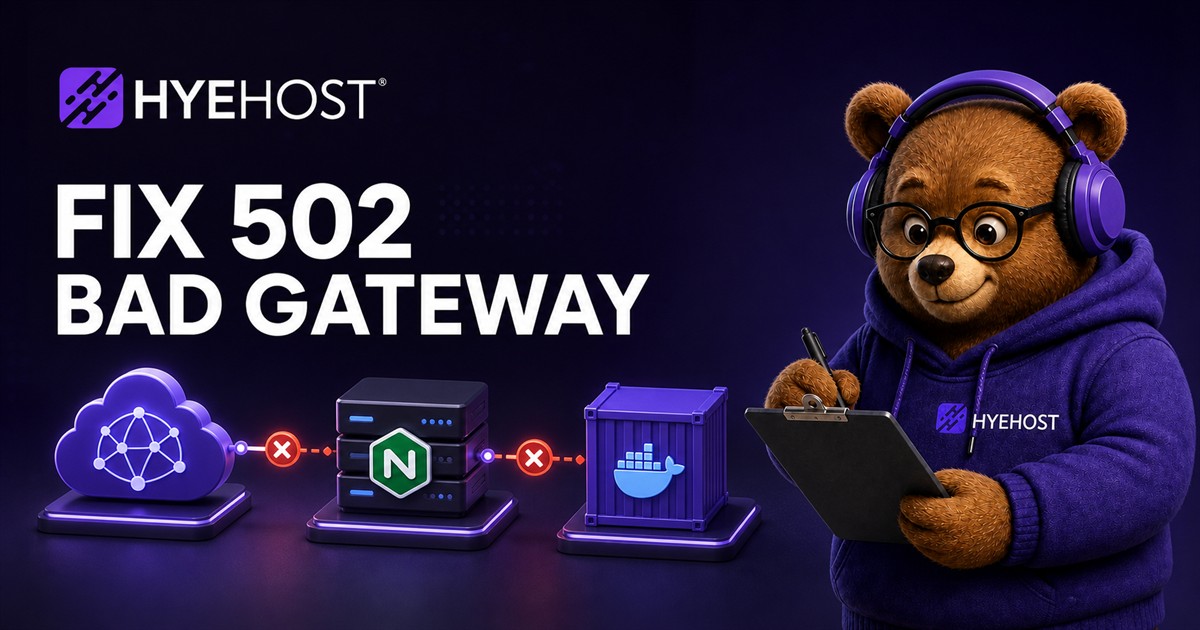
A practical layer-by-layer workflow for fixing 502 errors across Cloudflare, Nginx, Docker, PHP-FPM, app services, ports, logs and server resources.
A practical first-30-minutes checklist for Ubuntu and Debian VPS setup: SSH keys, firewall rules, updates, Fail2ban, Docker, Nginx, SSL, backups and HYEHOST panel recovery access.

How to host AI agents safely with isolation, least privilege, prompt-injection controls, secrets handling, logs, private networking and HYEHOST infrastructure.

A practical beginner guide to free IPv6 transit, BGP over tunnel, IRR, RPKI, router setup and HYEHOST panel ordering.

How private LANs help split websites, databases, workers, monitoring and backups across HYEHOST VPS and Resource Pools.

How to host AI agents, automation bots and DevOps helpers with reliable compute, networking, logs, security and recovery paths.
Run n8n with Docker Compose, PostgreSQL, Redis queue mode, HTTPS, backups and secure VPS sizing for real automation workloads.
Architecture, sizing, security and deployment basics for running a private AI agent stack on HYEHOST VPS or bot hosting.
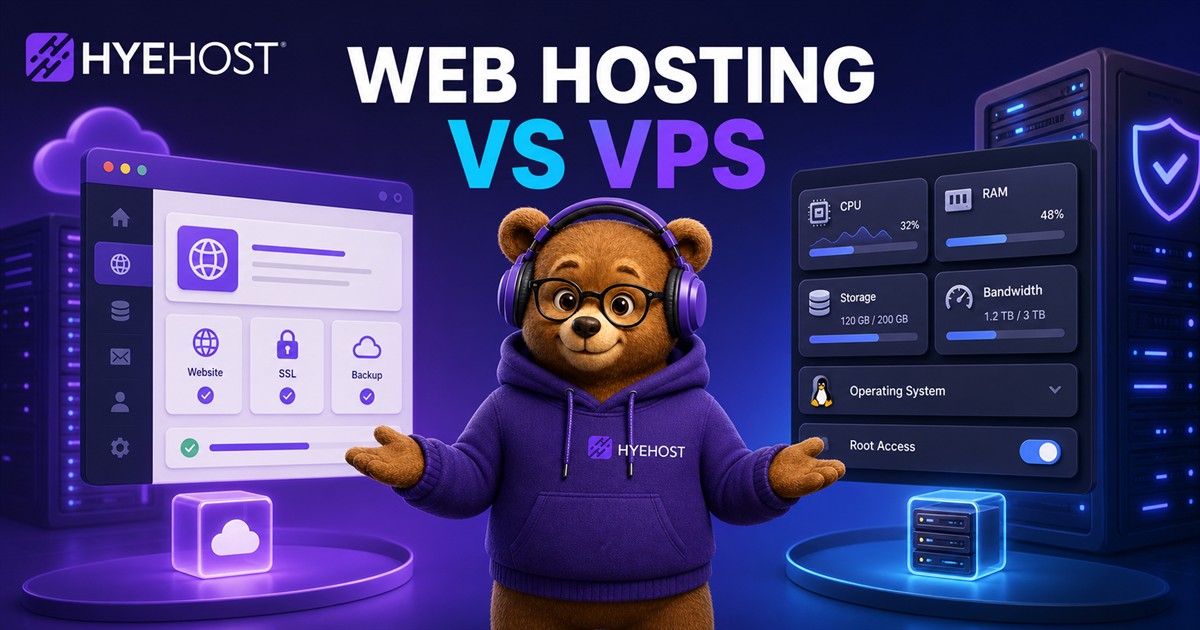
Compare shared hosting, DirectAdmin hosting, reseller hosting and VPS hosting for website speed, SEO, security, WordPress and scaling.

How routed IPv4 over GRE, WireGuard or other tunnel types works on HYEHOST, without needing to operate BGP yourself.

How the HYEHOST panel brings VPS, resource pools, BGP, IPv6 leasing, bot hosting, dedicated servers, billing and support together.
A practical first tour of the HYEHOST panel: account setup, billing, VPS controls, resource pools, IP services, BGP, support and security.
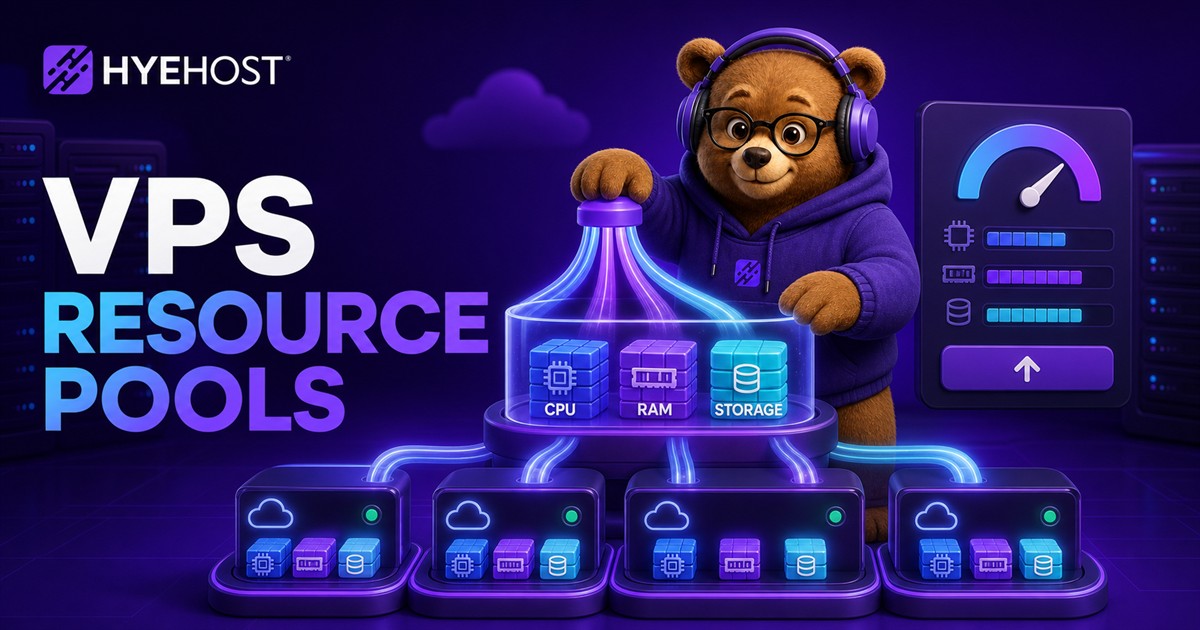
Use one pool to provision any mix of KVM virtual machines in Wolverhampton and Ashburn, with custom resources and per-VM networking.
A practical starting point for hosting persistent AI agent workloads on HYEHOST Cloud VPS, including plan sizing, storage, networking, backups and when to move up.

Use HYEHOST app installs to deploy a private VPN server quickly, then secure users, firewall rules, routing and recovery from the panel.

A practical comparison of Debian and Ubuntu for VPS hosting, with guidance for self-hosting, production services, panels, containers and maintenance.
A deeper guide to moving from VPS hosting into BGP, IP transit, IPv6 leasing, tunnel details, IRR/RPKI and HYEHOST panel automation.
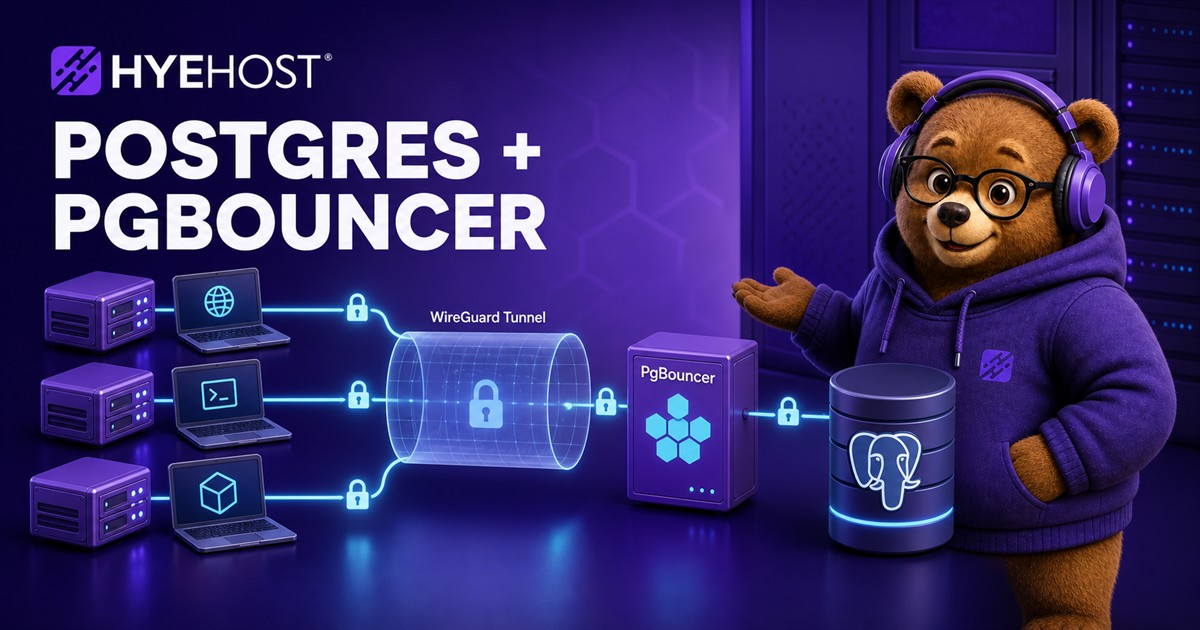
A look at the architecture behind our custom panel: multiple frontend services, PgBouncer pooling, PostgreSQL and WireGuard encrypted backend traffic.

How Tailscale fits into a self-hosted VPS setup, especially for private dashboards, SSH access, admin panels and services that should not be public.

A practical pre-flight checklist for running Vaultwarden on a VPS, including TLS, backups, updates, storage and access control.
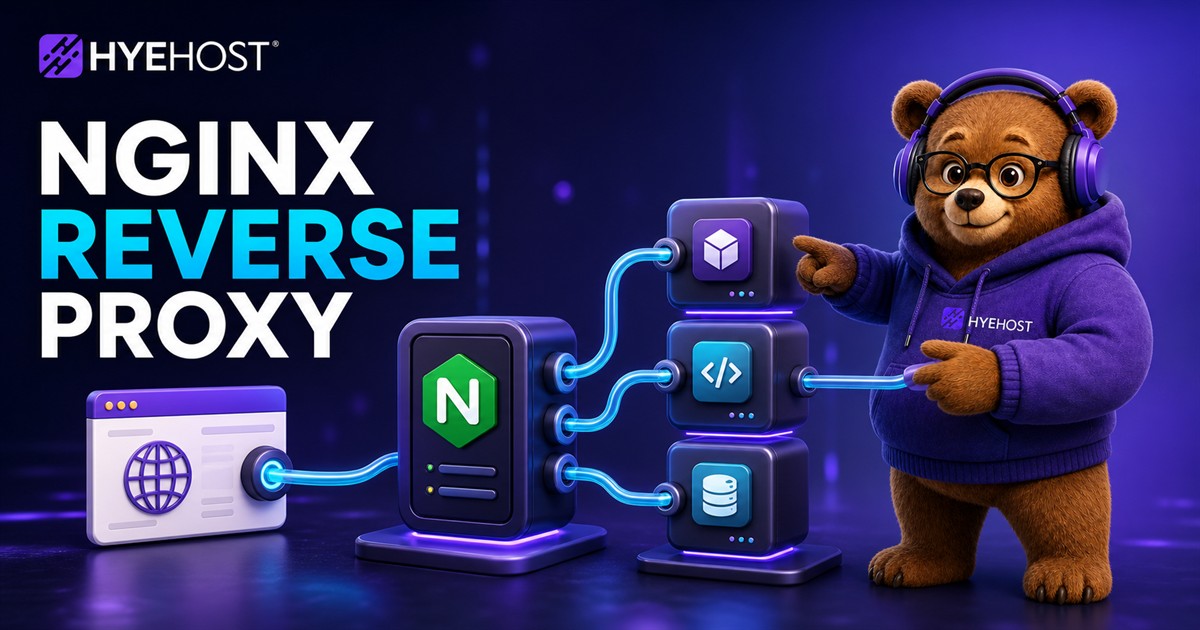
A practical overview of using Nginx on a VPS to route traffic, terminate TLS and run multiple self-hosted services behind one public server.
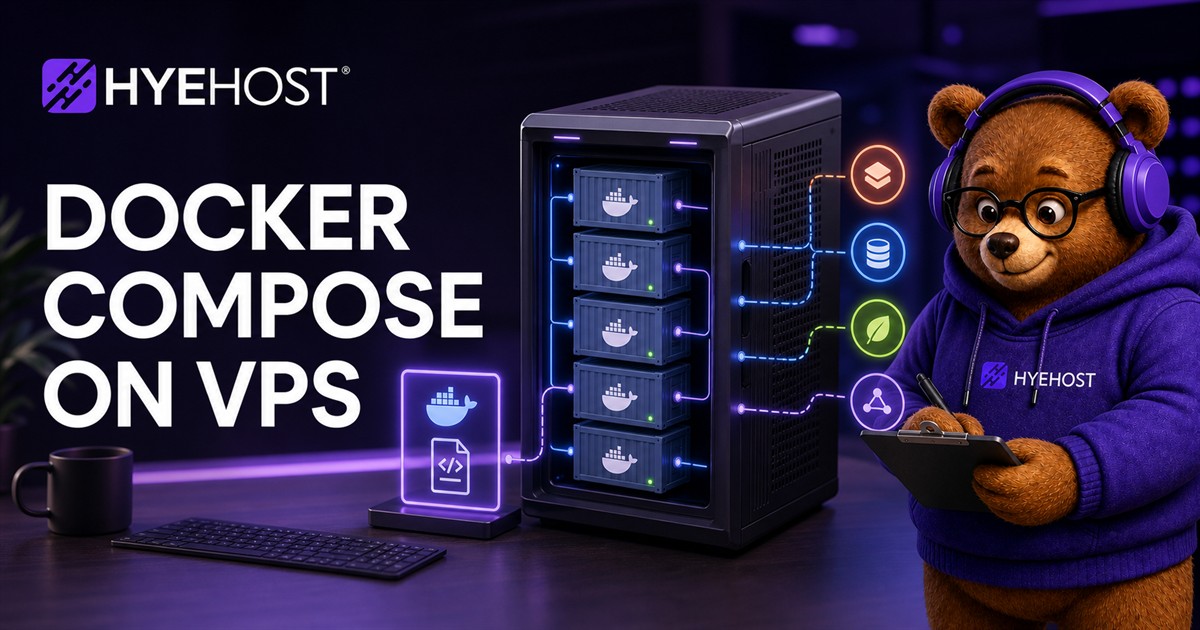
A simple Docker Compose layout can make a VPS easier to rebuild, update and understand when you run several self-hosted apps.
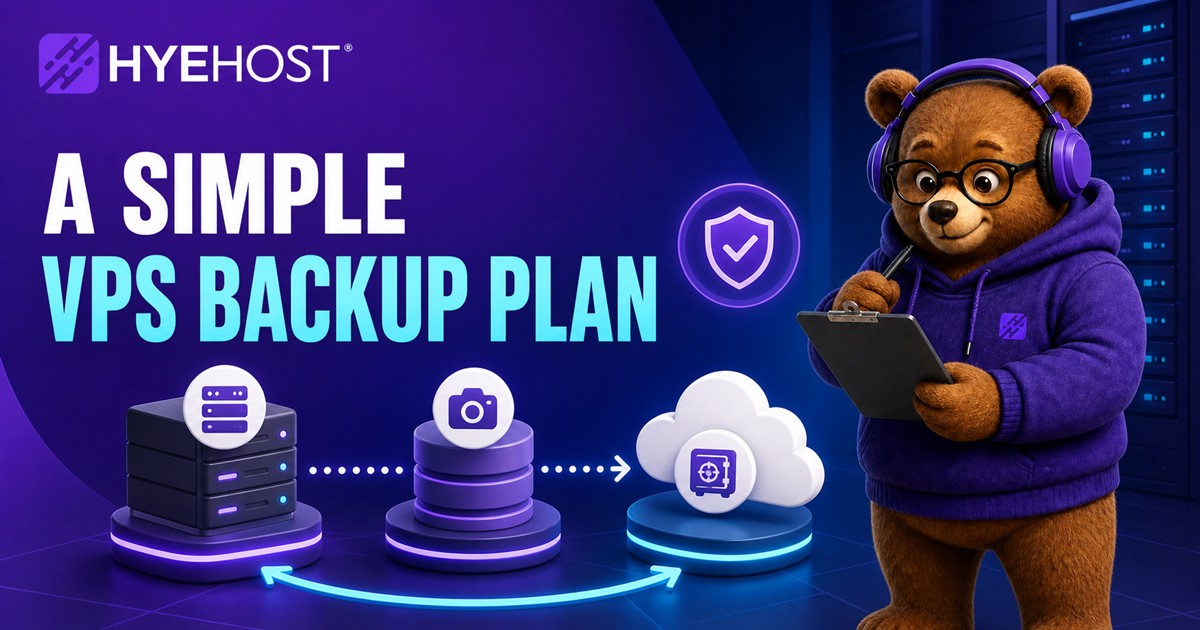
Backups only count when you know what is included, where they are stored and how to restore them under pressure.
Useful VPS monitoring starts with a few signals that tell you whether the service is online, healthy and running out of resources.
Start with Cloud VPS for small apps, VPNs and agents, then move to VDS or bare metal when your runtime needs dedicated resources.